


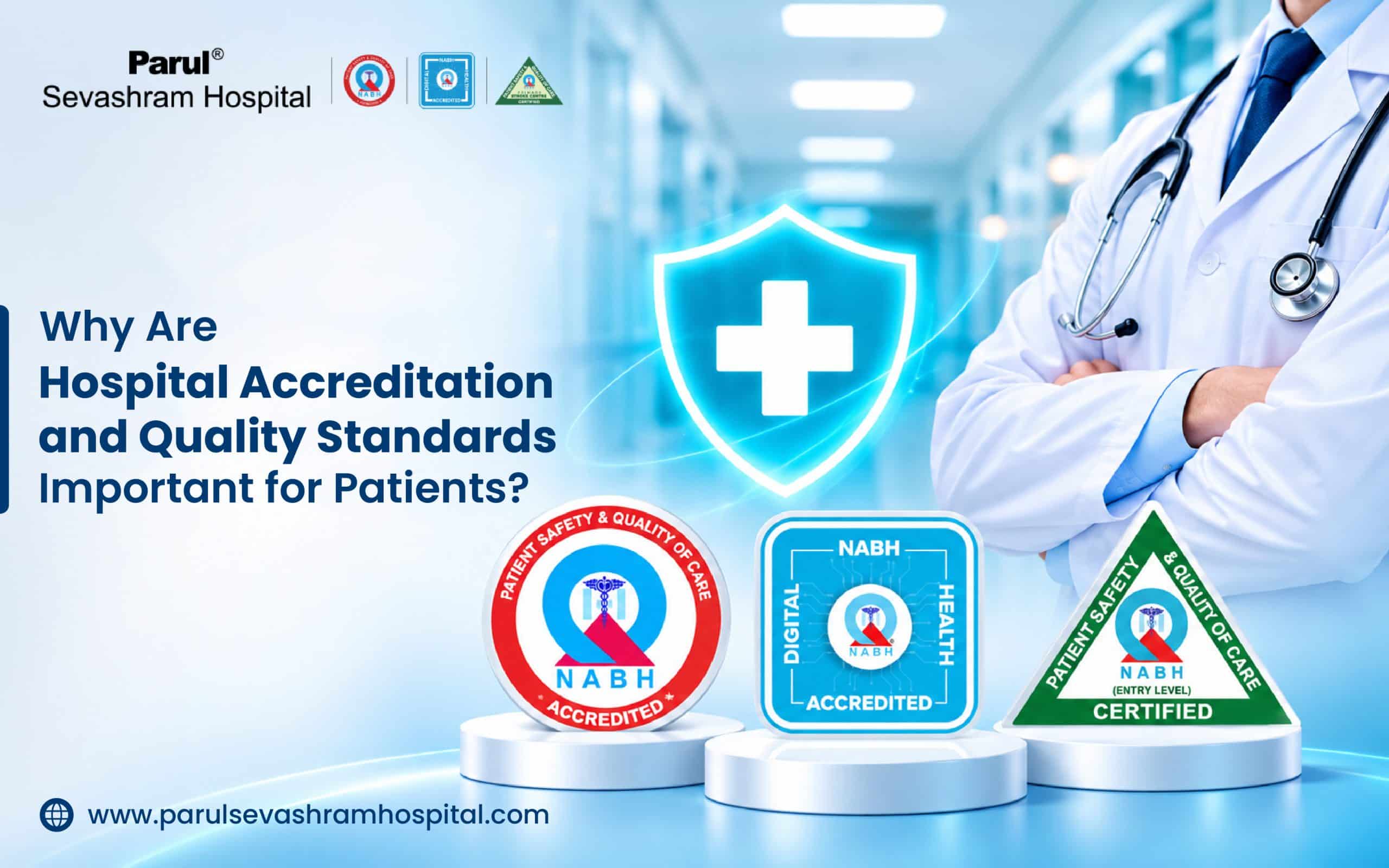
When choosing a hospital, patients and their families usually look at a few important things. They want experienced doctors, good facilities, proper treatment, and a hospital they can trust. People looking for the best hospital in Vadodara may also check patient reviews, location, and the hospital’s reputation before making a decision.
But there is another thing worth checking: whether the hospital follows recognised quality standards and has received accreditation.
Hospital accreditation gives patients an idea of how a healthcare facility manages patient safety, hygiene, medical procedures, and other important aspects of hospital care. It is one more way to understand how seriously a hospital takes its responsibilities towards patients.
What Is Hospital Accreditation?
Hospital accreditation means that an independent organisation has assessed a hospital against a set of healthcare standards. During this process, different areas are checked, including patient care, safety procedures, infection control, staff qualifications, and hospital facilities.
In India, NABH (National Accreditation Board for Hospitals and Healthcare Providers) is one of the well-known accreditation bodies for hospitals. It sets standards that healthcare facilities are expected to follow to maintain the quality and safety of their services.
For patients, this assessment can be useful when comparing hospitals. It provides an understanding of whether a hospital has been evaluated against recognised healthcare standards.
Why Does Hospital Accreditation Matter to Patients?
Patients may not notice every procedure followed inside a hospital, but these practices have a direct connection with their care. Here are some reasons why accreditation and hospital quality standards are important.
1. Patient Safety Comes First
A hospital deals with many patients every day, and each one has different medical needs. During this process, checking patient details, giving the correct medicines, and following safety steps before surgery are all important.
Accreditation standards help hospitals maintain proper procedures for these activities. For example, nurses check patient identification before administering medicines, while surgical teams follow checklists before starting an operation. Hospitals also take precautions to prevent patients from falling, especially elderly people and those who need assistance while walking.
These are regular activities, but they help avoid mistakes that could affect a patient’s health.
2. Maintaining Hygiene and Preventing Infections
Patients visit hospitals to get treatment, so the last thing they need is an infection during their stay. Maintaining hygiene is therefore an important responsibility of every hospital.
Accreditation standards cover several infection control practices. Staff members are required to follow hand hygiene procedures, medical equipment needs to be properly cleaned and disinfected, and biomedical waste must be handled safely.
Special precautions are also taken when caring for patients with infectious diseases. Regular cleaning of patient rooms, ICUs, and operation theatres is equally important.
These practices help control the spread of infections and protect patients as well as hospital staff.
3. Trained Staff Who Know Their Responsibilities
Patients often feel more comfortable when they know that their treatment is being handled by qualified doctors and trained medical staff. But qualifications alone are not enough. Healthcare professionals also need to keep updating their knowledge and skills.
During accreditation, hospitals are assessed on staff qualifications, registration, and training requirements. They are also expected to conduct training sessions for medical and non-medical staff.
For example, staff members need to know how to respond if a patient suddenly experiences a cardiac emergency or if a fire breaks out in the hospital. Regular drills help them understand their responsibilities instead of trying to figure things out during an actual emergency.
4. Coordination Between Different Departments
A patient sometimes needs treatment from more than one specialist. In such cases, doctors must have a clear understanding of the patient’s condition and the treatment already provided.
Take the example of a diabetic patient who needs knee replacement surgery. Along with the orthopaedic surgeon, a diabetologist and anaesthetist may also be involved in the treatment. They need to discuss the patient’s health condition before the surgery.
This type of coordination is common in a multispeciality hospital in Vadodara, where patients may visit different departments for diagnosis and treatment.
Hospital accreditation encourages proper documentation and communication between departments. This helps doctors access relevant patient information and continue treatment without missing important details.
5. Patients Should Know About Their Treatment
Patients have the right to understand what is happening with their health. Before starting treatment, doctors should explain the medical condition, available options, and possible risks in a way the patient can understand.
Accreditation standards also cover informed consent, patient privacy, and confidentiality. A patient’s medical information should be handled carefully and shared only when required for their care or as permitted by applicable rules.
If patients or family members have any concerns, hospitals should also have a process for receiving and addressing complaints. This makes communication between the hospital and patients easier.
6. Clear Information About Hospital Charges
Treatment expenses are something most families think about before getting admitted to a hospital. The total cost may include doctor consultations, medicines, diagnostic tests, room charges, and other medical services.
For planned treatments, hospitals should provide an estimate of the expected expenses wherever possible. Patients should also receive a proper bill with details of the services and charges.
Clear billing information helps families understand what they are paying for. If they have questions about any particular charge, they should be able to get an explanation from the concerned hospital staff.
Conclusion
Hospital accreditation gives patients an additional reason to consider a hospital when making healthcare decisions. It reflects an independent assessment of the hospital’s practices related to safety, hygiene, and patient care.
Along with accreditation, doctors’ experience, medical facilities, and treatment options should also be considered before choosing a hospital.
At Parul Sevashram Hospital, patients can access medical consultations and treatment across multiple specialities. Contact the hospital to discuss your healthcare needs or schedule an appointment with the concerned specialist.

 Dr. Mrs. Kalpana R. Sulhyan