Hypertension or high blood pressure is among the most common diseases among the adult population in the world. When the blood pressure is conducted permanently and the heart is overly worked.
Often, hypertension doesn’t have any noticeable symptoms in a person so it can be a silent killer.
If you know what the symptoms are, what the risks are and how to treat health issues you can take care of yourself.
What Is High Blood Pressure?
A blood pressure reading is made up of two numbers. The first number shows the pressure in our blood vessels when the heart is actually pumping blood.
The second number is the pressure in our blood vessels when the heart is resting between beats, which’s the time between the pumping of the heart.
Blood pressure is usually around 120/80 mmHg. When high blood pressure is a problem for a time it can hurt the blood vessels and organs.
Regular monitoring is crucial as many people may be found to have hypertension as part of their routine health check-up in a Multispecialty hospital in Vadodara or health center.
Common Symptoms of High Blood Pressure
It is hard to manage blood pressure. This is because many people with the condition do not have any symptoms for a time. For those whose blood pressure gets very high they might feel:
Frequent Headaches
When high blood pressure is the cause, it can cause persistent headache, particularly in the morning.
Dizziness or Lightheadedness
If dizziness occurs for no known cause, it could be a sign of circulation problems.
Shortness of Breath
Breathlessness with everyday activities may be an alarming sign of stress on the heart.
Blurred Vision
High blood pressure may have an adverse effect on the eyesight.
Chest Pain
Chest pain could be present in severe cases and is never to be ignored.
Since signs and symptoms may not present until extensive damage has been done it is essential to continue screening.
Risks Associated with High Blood Pressure
If left untreated, hypertension can lead to several serious health conditions.
Heart Disease
Chronic high levels of blood pressure put the heart under strain, which can lead to accidents or heart failure. The help of a well-experienced cardiologist in Vadodara can help you with the timely discovery and handling of cardiovascular risks which in turn will help you from having these risks develop into serious health issues.
Stroke
One of the most serious complications of high blood pressure is damage to or blockage of the blood vessels in the brain that lead to a stroke.
Kidney Damage
The health of the kidney depends on the health of its blood vessels. High blood pressure will slowly affect the work of the kidneys.
Vision Loss
High blood pressure may cause blood capillaries in the eye to become damaged, resulting in vision damage.
Aneurysm
Blood vessel walls weaken and bulge, risking a ruptured blood vessel and turning into a medical emergency.
Treatment Options for High Blood Pressure
Managing hypertension usually involves a combination of lifestyle modifications and medical treatment.
To deal with blood pressure people usually need to make some changes to the way they live and they also need to take some medicine.
Healthy Diet
A diet that is high in fruits, vegetables, whole grains and lean proteins, and low in salt can greatly impact blood pressure.
Regular Physical Activity
Moderate activity for at least 30 minutes per day on most days of the week is good for healthy blood circulation and healthy heart function.
Weight Management
If you’re in the healthy weight range, there is less strain on the heart and on your blood pressure.
Stress Reduction
Stress is something that can cause blood pressure. Techniques like yoga, meditation and deep breathing can really help with stress. When we are stressed our blood pressure goes up.
Medication
Depending on the condition’s severity, doctors may prescribe medications to help regulate the blood pressure well. The best heart hospital in Vadodara provides complete evaluation along with bespoke treatment plans.
Conclusion
High blood pressure is a serious but manageable condition when detected early and treated appropriately. Regular health check-ups, a heart-healthy lifestyle, and timely medical care can help prevent complications such as heart disease, stroke, and kidney damage. At Parul Sevashram Hospital, our experienced specialists and advanced diagnostic facilities provide comprehensive care to help patients effectively manage hypertension and maintain long-term heart health.
Also Read: How Does Bypass Surgery Help Treat Severe Heart Disease?


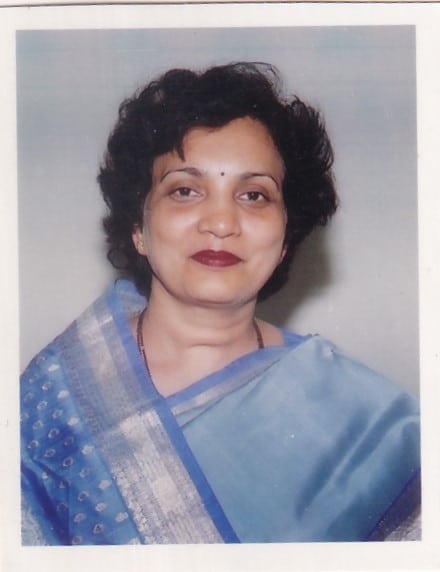 Dr. Mrs. Kalpana R. Sulhyan