


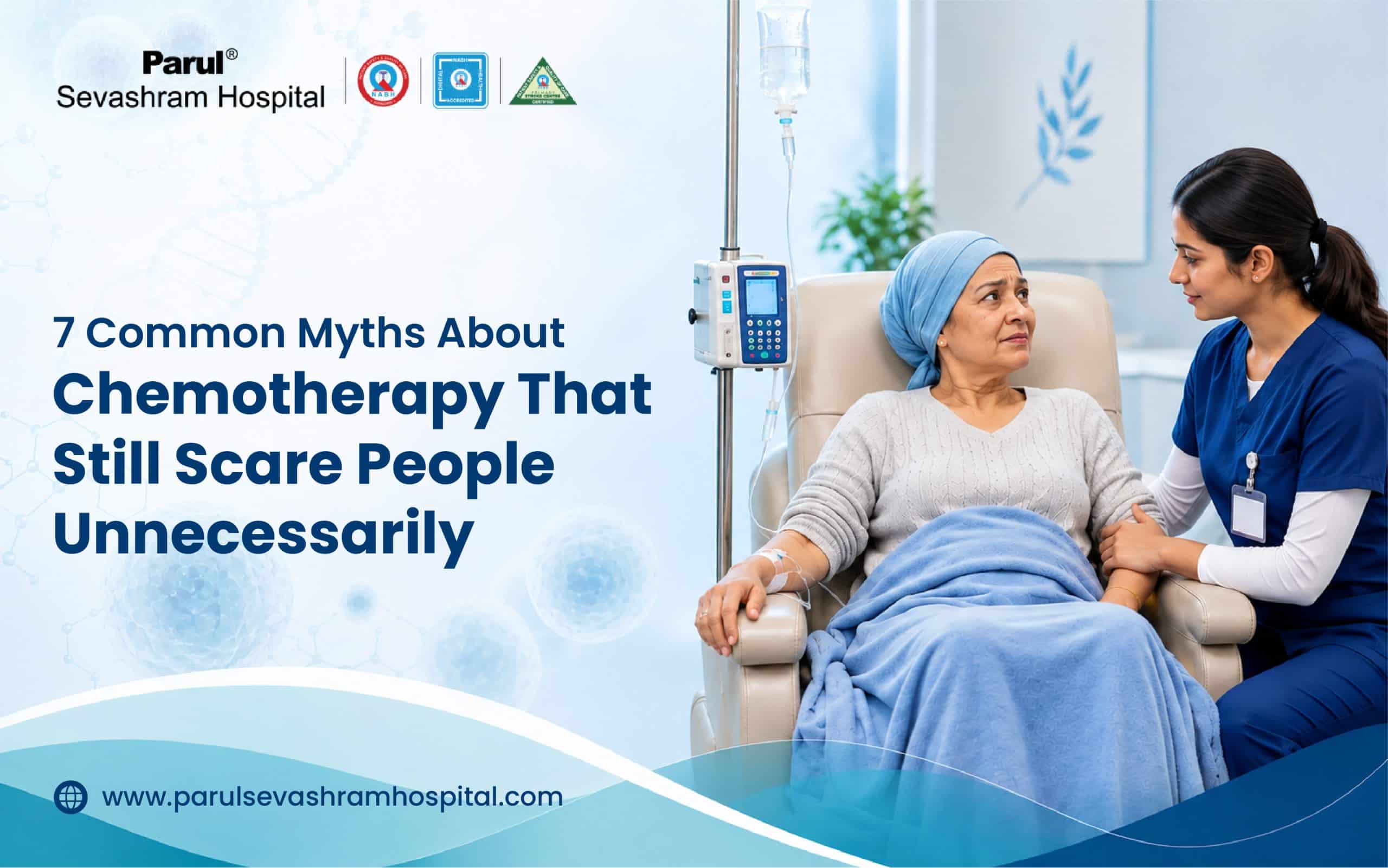
Chemotherapy is one of the most common cancer treatments, yet it remains widely misunderstood. Much of the fear surrounding it comes from outdated information and misconceptions. Over the years, cancer treatment has improved significantly, along with the ways doctors manage its side effects.
Chemotherapy uses medicines to kill cancer cells or stop them from growing. It is usually given in cycles, with breaks between treatment sessions to allow the body time to recover.
If you are exploring cancer treatment in Vadodara for yourself or someone in your family, understanding the facts about chemotherapy can help you make more informed decisions. Here are seven common myths about chemotherapy and what you should know about them.
7 Most Common Chemotherapy Myths
Let’s look at some common misconceptions about chemotherapy and understand what actually happens during treatment.
Myth 1: Chemotherapy Always Causes Severe Vomiting
Nausea and vomiting were once among the most difficult side effects of chemotherapy. However, doctors now prescribe anti-nausea medicines before treatment sessions and may also recommend tablets to manage symptoms at home. As a result, many patients experience only mild nausea, while some do not experience it at all.
Eating small meals and avoiding oily or heavy foods for a day or two may also help manage nausea. If you continue feeling sick, inform your doctor, as your medication can be adjusted to improve symptom control.
Myth 2: Everyone Loses Their Hair During Chemotherapy
Hair loss depends on the type of chemotherapy drugs used and how the body responds to treatment. Some medicines may cause complete hair loss, while others only lead to hair thinning or have little to no effect on hair growth.
In most cases, hair starts growing back within a few months after chemotherapy ends. Its texture or colour may initially look slightly different, but this is generally temporary.
Myth 3: Chemotherapy Does More Harm Than Good
Chemotherapy targets rapidly growing cells, including cancer cells. However, some healthy cells, such as those in hair roots, the mouth and bone marrow, also grow quickly. This is why patients may experience certain side effects during treatment.
Doctors carefully calculate chemotherapy doses based on factors such as body weight, height and overall health. Blood tests are also performed before each treatment cycle to monitor the patient’s condition. If blood cell counts are too low, doctors may delay treatment or adjust the dose.
For many types of cancer, chemotherapy plays an important role in improving survival and reducing the risk of cancer returning. Its potential benefits and risks are assessed before treatment begins.
Myth 4: You Have to Stay in the Hospital During Chemotherapy
Most chemotherapy treatments are provided through a daycare facility, which means patients can usually return home on the same day. Depending on the medicines prescribed, a session may take anywhere from 30 minutes to several hours.
Some chemotherapy medicines are also available in tablet form and can be taken at home under medical supervision. Hospital admission may be necessary for certain intensive treatments or when complications, such as a high fever, require immediate medical attention.
Myth 5: You Cannot Live a Normal Life During Chemotherapy
Many people continue with their daily activities during chemotherapy, including working, cooking and spending time with family. However, the experience can vary depending on the type of treatment and individual health conditions.
Some patients may feel tired for a few days after each treatment cycle, making it important to get enough rest. Eating a balanced diet, including sufficient protein, staying hydrated and getting adequate sleep can also support overall health during treatment.
Patients should also take precautions against infections because chemotherapy can lower immunity. Regular handwashing and avoiding crowded places when blood counts are low can help reduce the risk of infections.
Myth 6: Chemotherapy Means Cancer Is in the Last Stage
Chemotherapy is not limited to advanced-stage cancer. Doctors may recommend it at different stages, depending on the type of cancer and the patient’s treatment requirements.
For example, chemotherapy may be given before surgery to shrink a tumour, which is known as neoadjuvant chemotherapy. It can also be recommended after surgery to destroy any remaining cancer cells and reduce the risk of recurrence. This is called adjuvant chemotherapy.
In some cases, chemotherapy may be the primary treatment. Certain types of blood cancers, including some lymphomas and leukaemias, can even be cured with chemotherapy-based treatment. Therefore, being advised to undergo chemotherapy does not necessarily mean that cancer has reached an advanced stage.
Myth 7: Chemotherapy Treatment Is the Same for Everyone
Chemotherapy treatment plans are not the same for every patient. There are more than 100 chemotherapy medicines, and doctors may use different drugs or combinations depending on the patient’s condition.
The treatment approach is based on several factors, including the type and stage of cancer, medical reports, age and overall health. Even two people diagnosed with the same type of cancer may receive different treatment plans.
This is why consulting an experienced oncologist in Vadodara is important. An oncologist evaluates the patient’s condition, recommends a suitable treatment approach and explains what to expect during each stage of chemotherapy.
Conclusion
Chemotherapy can be challenging, but it is often more manageable than many people expect. Understanding common myths and knowing the facts can help patients and their families approach treatment with greater confidence and less unnecessary fear.
Choosing a multispeciality hospital in Vadodara can also make cancer treatment easier by bringing different medical specialists and support services together. Coordinated care allows patients to receive the attention they need while reducing the need to visit multiple healthcare facilities.
If you have questions about chemotherapy or other cancer treatment options, consult the cancer specialists at Parul Sevashram Hospital to understand the available treatment approaches and receive guidance based on your medical condition.

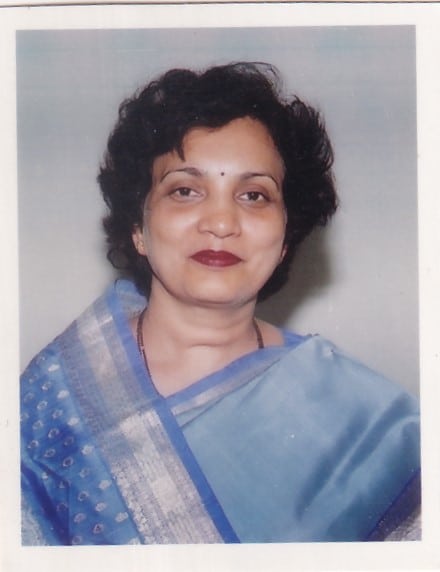 Dr. Mrs. Kalpana R. Sulhyan