

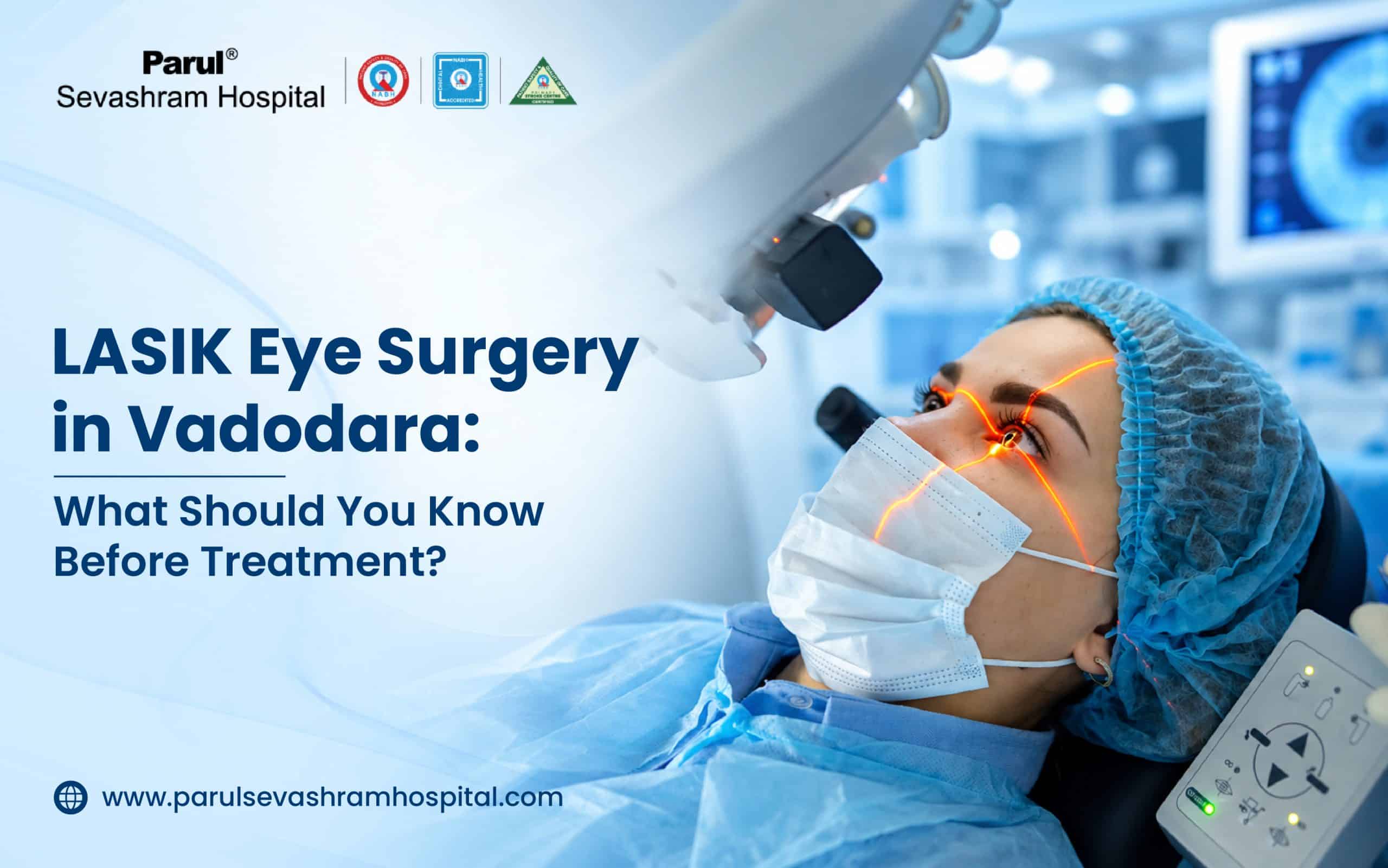
Wearing glasses or contact lenses every day can be inconvenient for some people. LASIK eye surgery offers a way to reduce dependence on them by correcting certain vision problems with the help of a laser. The procedure reshapes the cornea, allowing light to focus more accurately on the retina.
However, LASIK is not the right choice for everyone. The condition of your eyes, the stability of your prescription and the thickness of your cornea all play a part in deciding whether you can undergo the procedure.
If you are considering LASIK eye surgery in Vadodara, it helps to understand what happens before, during and after treatment. A discussion with an ophthalmologist can also clear up common concerns and help you decide whether the procedure is suitable for you.
Understanding LASIK Eye Surgery
LASIK is a type of refractive surgery used to correct certain vision problems. During the procedure, the surgeon creates a thin flap in the cornea and uses a laser to reshape the tissue underneath. The flap is then placed back in position, where it heals naturally.
The procedure is commonly used to correct nearsightedness, farsightedness and astigmatism. The extent of correction possible depends on the patient’s prescription and the condition of the eyes.
Although many people experience clearer vision after LASIK, the results are not the same for everyone. Some may still need glasses for certain activities, such as reading or driving at night.
Why Is an Eye Examination Necessary Before LASIK?
Before recommending LASIK, an ophthalmologist needs to check whether the procedure is appropriate for your eyes. This involves more than checking your current glasses prescription.
The examination usually includes measuring the shape and thickness of the cornea, checking eye pressure and assessing tear production. The doctor will also look for eye conditions that could affect the safety of the procedure or the recovery process.
Be sure to mention any previous eye surgery, ongoing eye problems or medicines you take. Even details that seem unrelated to your vision may help the specialist assess your suitability for treatment.
This assessment is particularly important because a person who wants to stop wearing glasses may not always be a suitable candidate for LASIK.
Things to Consider Before LASIK Eye Surgery
Before deciding on surgery, it is worth discussing a few important factors with your ophthalmologist. These can help you understand whether LASIK is a reasonable option for your vision needs.
Age and Stability of Your Prescription
LASIK is generally considered for adults whose vision prescription has remained stable. If your eyesight has changed recently, your doctor may suggest waiting before proceeding with surgery.
There is no benefit in rushing into treatment before your eyes are ready. Your ophthalmologist can assess your prescription history and advise you on the appropriate time for surgery.
Existing Eye Conditions
Some eye conditions can make LASIK unsuitable. For example, certain corneal disorders may increase the risk of complications, while significant dry eye may need attention before surgery.
Your doctor will consider these factors during the examination. If LASIK is not recommended, other options for correcting your vision may be discussed, depending on your eye health and prescription.
Expected Results and Possible Risks
One of the main reasons people consider LASIK is the possibility of seeing clearly without relying as much on glasses or contact lenses. However, it is important to understand that surgery cannot guarantee complete freedom from corrective lenses.
Temporary dryness, glare, halos around lights and light sensitivity can occur after the procedure. Some patients may also have residual refractive errors or need further treatment.
Your ophthalmologist can explain which outcomes are realistic in your case and whether the potential benefits outweigh the risks.
What Happens During LASIK Surgery?
LASIK is usually performed using anaesthetic eye drops, so patients remain awake throughout the procedure. The surgeon uses a laser to reshape the cornea according to the patient’s prescription.
The laser treatment itself is brief, and the procedure is generally completed within a short time. You may feel some pressure around the eye, but significant pain is not usually expected.
Before the surgery begins, the medical team will explain the steps involved and provide instructions to follow during treatment. Most patients can return home on the same day, although they will need someone to accompany them if advised by the treating team.
What Is Recovery Like After LASIK?
It is normal for vision to appear blurry immediately after LASIK. Some people notice improvement within the first day, while their vision may continue to settle over the following days or weeks.
Dryness, watering, mild irritation and sensitivity to light can also occur during recovery. These symptoms often improve with time, but the experience varies from one patient to another.
Your doctor will prescribe eye drops if needed and explain how to care for your eyes at home. Avoid rubbing your eyes, and follow the instructions about work, exercise and other daily activities. It is also important to attend follow-up appointments, even if your vision seems to be improving.
If you experience severe pain, a sudden change in vision, increasing redness or any other worrying symptoms, contact your eye specialist without delay.
Follow-Up Care After LASIK
Recovery does not end when you leave the hospital. Follow-up visits allow your ophthalmologist to check how your eyes are healing and whether your vision is progressing as expected.
During these visits, the doctor may assess your vision, examine the cornea and check for signs of dryness or other complications. If any concerns arise, further treatment or advice may be necessary.
Following the recommended schedule helps your doctor monitor your recovery and address problems early.
Choosing a Provider for LASIK Eye Surgery in Vadodara
Choosing where to undergo LASIK involves more than comparing costs or looking for the latest equipment. The quality of the initial eye examination and the advice you receive are equally important.
Look for a hospital with qualified ophthalmologists in Vadodara who take the time to assess your eyes and explain the available options. You should feel comfortable asking questions about the procedure, possible side effects, expected results and recovery.
A good consultation should also cover alternatives if LASIK is not suitable for you. The aim is to find an approach that meets your vision needs without overlooking the health of your eyes.
Conclusion
LASIK eye surgery can be a suitable option for people who want to reduce their dependence on glasses or contact lenses. However, the decision should be based on a proper eye examination rather than convenience alone. Understanding the procedure and its limitations can help you approach treatment with realistic expectations.
If you are exploring LASIK eye surgery in Vadodara, Parul Sevashram Hospital can be a point of contact for discussing your vision correction needs. Consult an ophthalmologist to have your eyes examined and understand whether LASIK is an appropriate option for you.


 Dr. Mrs. Kalpana R. Sulhyan