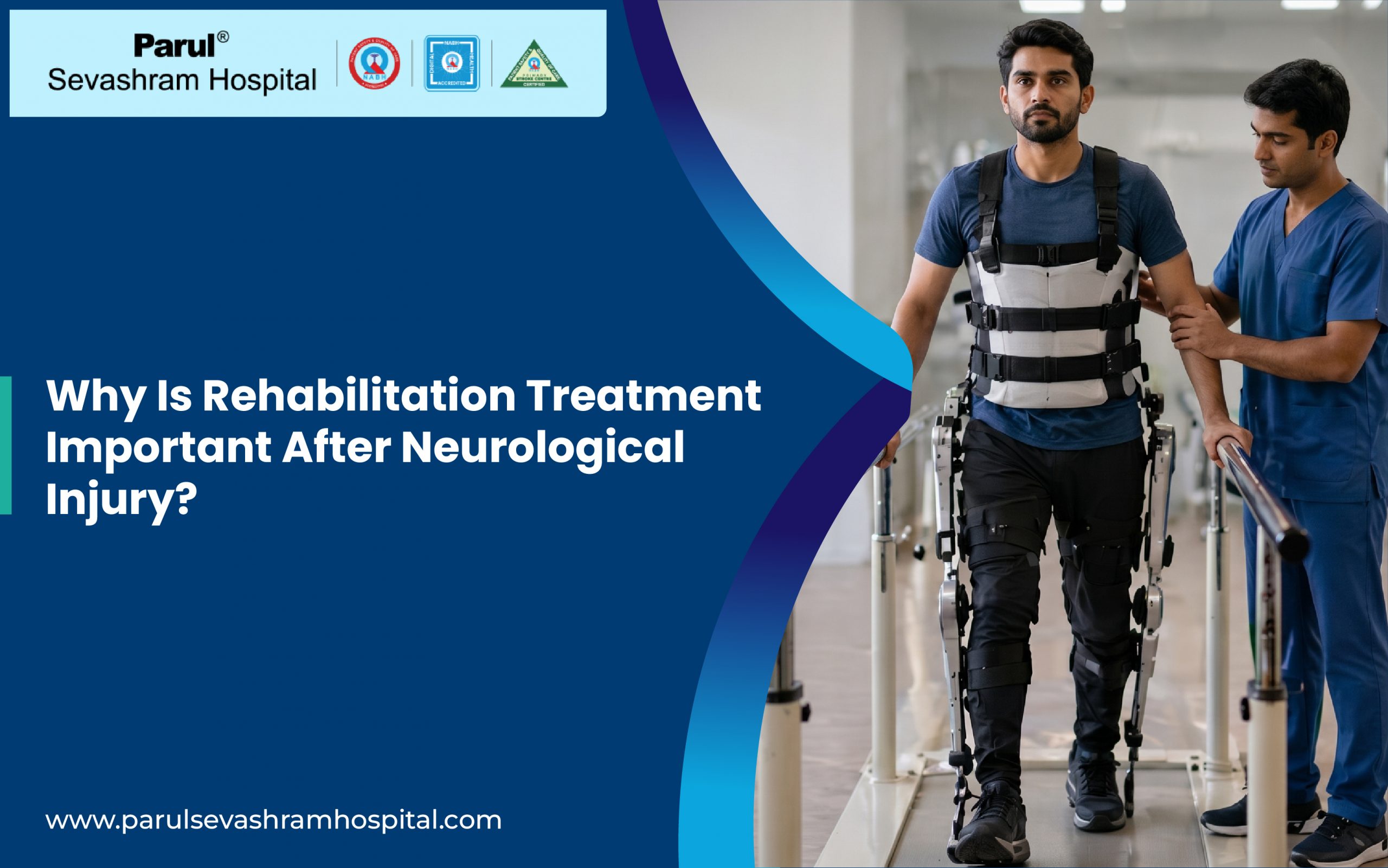
Neurological disorders like stroke, spinal cord injuries, brain trauma, or nerve disorders can greatly interfere with the capacity of the person to move, talk, think, and engage in daily chores.
Though first aid treatment is relevant to stabilize the situation, the process does not end there.
Rehabilitation therapy is an important part of the process of making the patients get integrated into their normal lives as well as enhancing the overall quality of life.
What Happens After a Neurological Injury?
The brain and body communication may be disrupted after a neurological injury. This can result in impaired movement, lack of coordination, difficulty in speech or forgetfulness. All the patients have various problems based on the level and position of the damage.
In many cases, patients initially receive care from a neurosurgeon in Vadodara, who assists in the diagnosis of the disease and the appropriate medical or surgical care.
Key Benefits of Rehabilitation After Neurological Injury
These are the main ways that rehabilitation promotes recovery and enhances post-neurological injury quality of life.
Helps Restore Physical Function
Physical strength and movement is one of the primary objectives of rehabilitation. Muscle weakness, stiffness or walking difficulties are frequent problems in patients.
These treatments are well-thought in terms of patient progress. With time, the patients can be able to stand, walk, or use their hands in a better manner.
Supports Cognitive Recovery
Neurological injuries can also impair thinking abilities of memory, attention and decision making. Cognitive rehabilitation functions to improve these cognitive functions through the use of certain activities and exercises.
Patients learn how to cope with daily activities, enhance focus and restore problem solving capabilities. This form of therapy is particularly useful to patients who are recuperating from brain injuries or stroke.
Improves Speech and Communication
The difficulty in communication is typical following neurological injuries. Patients can have trouble speaking, deciphering language, or even swallowing.
Speech therapy aids patients in recovering these necessary skills. Having frequent sessions, people can better learn to express themselves and communicate with others in a way that is reassuring and contributes to an emotional recovery as well.
Encourages Emotional and Mental Well-being
It is an emotionally overwhelming task to recover after a neurological condition. Stress, frustration, and anxiety are rather typical at this stage.
Psychological support is usually part of the rehabilitation programs to assist the patients in overcoming these feelings. Counseling, guidance and encouragement are used to keep the mind positive and this is necessary in order to ensure a steady recovery.
Reduces Risk of Complications
Failure to rehabilitate the patients can lead to complications which can include stiffness of the joints, tightness of the muscles, pressure sores, and decreased mobility. These problems are avoided through regular therapy which keeps the body active.
Advanced neurosurgical treatments that are usually intended to be used with rehabilitation plans to be able to have a smooth and safe recovery. The combination will contribute to minimizing the long-term risks and enhance the overall results.
Personalized Care for Better Recovery
The situation is specific to each patient, and the rehabilitation plans are developed. A personal way of treatment will imply the therapy being tailored to specific problems and goals.
The selection of the respective neurosurgery hospital will matter a lot as it will ensure the presence of professional specialists in the sphere, the latest equipment, and a well-structured rehabilitation program that may help to recuperate completely.
Conclusion
Rehabilitation is an essential part of recovery after a neurological injury, helping patients regain strength, improve daily functioning, and restore confidence. With the right medical support and personalized care, recovery can become more effective and comfortable.
At Parul Sevashram Hospital in Vadodara, patients receive compassionate neurological care combined with dedicated rehabilitation support designed to promote faster and more complete recovery. Reach out to the expert team today and take the next step toward a healthier and more independent future.
Also Read: Importance of Early Treatment in Neurosurgical Conditions


 Dr. Mrs. Kalpana R. Sulhyan