Heart disease has been one of the major causes of health complications across the world particularly in cases where it is in its advanced stages.
Some drugs, or a change of lifestyle may not be effective in instances where arteries supplying the heart are critically blocked. Bypass operation is among the therapeutic options in such cases that are lifesaving as they can help in normal distribution of blood to the heart.
The understanding of how bypass surgery is performed and why patients should undergo such a severe procedure would make their families and patients make reasonable decisions at the most crucial stages.
What Is Bypass Surgery?
Coronary Artery Bypass Grafting or also known as Bypass surgery is a surgical operation to treat severe coronary artery disease.
In the surgery, a normal blood vessel of another body part is removed, say the chest, arm, or a leg and it is used to open up a new avenue through which blood can pass around the blocked artery. This bypass enables the heart to have sufficient blood to function efficiently.
Why Is Bypass Surgery Needed?
Bypass surgery is typically recommended when:
- Several coronary arteries are clogged.
- The obstruction is intense and limits the blood circulation to a large extent.
- Angioplasty/stenting is either inappropriate or unsuccessful.
- The patient has a history of chronic chest pains (angina).
- Risks of heart attack are high.
Mostly, consulting a qualified cardiologist in Vadodara can help determine whether the patient should undergo bypass surgery based on their specific condition.
How Bypass Surgery Helps the Heart
Bypass surgery opens up another avenue in which blood flows thus supplying enough oxygen to the heart to perform safely and effectively.
1. Restores Proper Blood Flow
The primary objective of bypass surgery is to enhance the circulation of blood to the heart muscle. This surgery provides a new pathway of blood flow to the heart because it makes sure that nutrients and oxygen are properly delivered to the heart.
2. Reduces Chest Pain (Angina)
Arteries that are blocked will also lead to chest discomfort because of a lack of blood supply. Angina also fades away in most patients after surgery, and this is due to the nature of the bypass surgery.
3. Lowers the Risk of Heart Attack
Severe blockages predispose one to heart attack. The surgery will eliminate this risk as it bypasses these blockages, and leaves the heart intact.
4. Improves Heart Function
The heart is able to pump more efficiently with an increase in the flow of the blood. This results in enhanced physical strength and less fatigue in the day to day activities.
5. Enhances Overall Quality of Life
Patients who successfully complete the bypass surgery report development of more energy, breathing ease, and resumption of normal activities.
The Procedure: What to Expect
Bypass surgery is performed under general anesthesia and typically takes several hours. The key steps include:
- Making an incision in the chest
- Growing a healthy blood vessel in a different section of the body.
- Linking the vessel to pass over the blocked artery.
- Returning normal blood circulation into the heart.
In other instances, minimally invasive procedures can be employed, depending on the situation of the patient and hospital amenities.
The option of selecting a Multi-specialty hospital provides a solution of having specialized surgical equipment, qualified surgeons, and holistic attention during the treatment process.
Final Thoughts
Bypass surgery is essential in the management of severe heart disease and it has a role in the restoration of proper blood flow and enhancement of heart functioning. Not only does it diminish such symptoms as chest pain, but it also has one of the most beneficial effects by minimizing the probability of life-threatening events such as heart attacks.
Visit Parul Sevashram Hospital for advanced cardiac treatment, experienced specialists, and compassionate care tailored to your needs.
Also Read: Heart Attack in Young Adults: The Rising Concern You Need to Know About


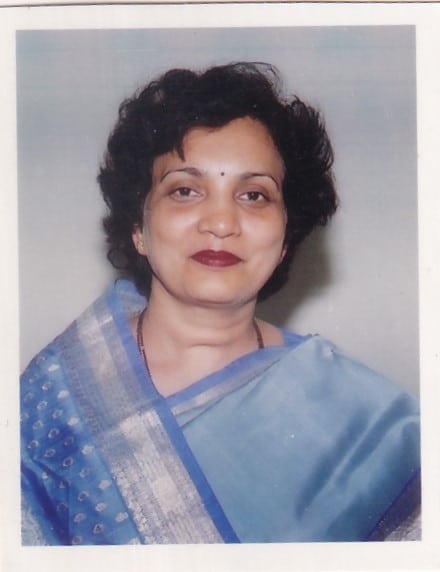 Dr. Mrs. Kalpana R. Sulhyan